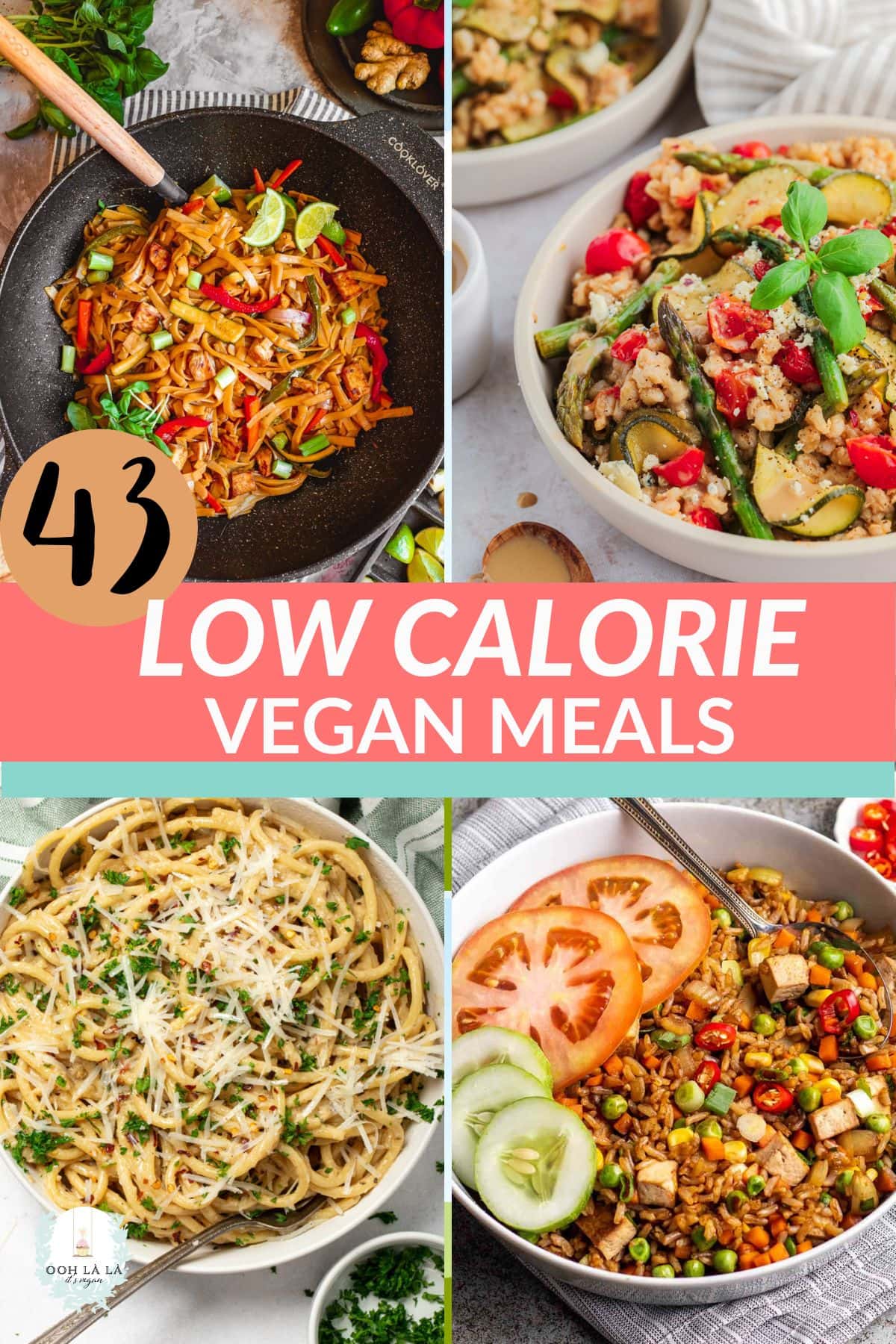
Beyond the Basics: Elevating Your Vegan Low-Calorie Dinners
Embarking on a journey to health and wellness often involves mindful eating, and for many, that means exploring delicious yet calorie-conscious options. If you're a vegan, or simply looking to incorporate more plant-based meals into your diet, the world of vegan low calorie dinners is brimming with possibilities. This article, the third in our series (following vegan low calorie dinners - Article 1 and vegan low calorie dinners - Article 2), aims to take your understanding a step further, moving beyond basic recipes to advanced strategies for creating incredibly satisfying and flavorful meals that support your health goals.
The beauty of plant-based eating, particularly when focused on whole foods, is its inherent ability to be nutrient-dense and naturally lower in calories compared to many animal-based diets. With a little creativity and strategic planning, you can craft dinners that not only keep you full and energized but also delight your taste buds. We'll delve into smart ingredient swaps, mastering meal prep, and powerful flavor hacks to ensure your vegan low calorie dinners are anything but boring.
Smart Ingredient Swaps for Maximum Flavor, Minimum Calories
Achieving delicious vegan low calorie dinners often comes down to making intelligent ingredient choices. It's not about deprivation, but about optimization – selecting ingredients that offer high nutritional value and volume for fewer calories. Here are some cornerstone swaps to revolutionize your cooking:
- Creamy Sauces: Ditch heavy oils and coconut cream for lighter alternatives. Blended silken tofu creates incredibly smooth, protein-rich creams for pasta sauces, dressings, or curries. Pureed roasted vegetables like cauliflower or butternut squash can also add creaminess and bulk without excess calories. A tablespoon of nutritional yeast can mimic cheesy flavor without the fat.
- Oil Reduction: Instead of sautéing in copious amounts of oil, opt for water, vegetable broth, or a small amount of cooking spray. If oil is essential for flavor (e.g., toasting spices), use healthy options like extra virgin olive oil or avocado oil sparingly, measuring carefully.
- Grain Alternatives: While whole grains are healthy, portion sizes matter for calorie control. Incorporate "lighter" grain alternatives:
- Cauliflower Rice: An excellent, low-carb swap for traditional rice.
- Zucchini Noodles (Zoodles): A fantastic way to enjoy "pasta" dishes with significantly fewer calories and more vegetables.
- Shirataki Noodles: Almost calorie-free, these can add bulk and texture to stir-fries and soups.
- Protein Powerhouses: Focus on lean, fiber-rich plant proteins. Lentils, chickpeas, black beans, and other legumes are incredibly versatile, filling, and low in calories per serving. Tofu and tempeh are also excellent choices, offering complete protein without much saturated fat.
- Volume Vegetables: Fill half your plate (or more!) with non-starchy vegetables. Leafy greens (spinach, kale), broccoli, bell peppers, mushrooms, asparagus, and green beans are incredibly low in calories and high in fiber, helping you feel full and satisfied.
Mastering Meal Prep for Consistent Healthy Eating
One of the biggest hurdles to maintaining a consistent routine of healthy, low-calorie eating is time. This is where mastering meal prep for your vegan low calorie dinners becomes an invaluable skill. Planning ahead eliminates last-minute unhealthy choices and ensures you have nutritious options readily available.
Strategic Approaches to Vegan Low-Calorie Meal Prep:
- Batch Cook Components: Instead of full meals, prepare individual components. Cook a large batch of quinoa or brown rice, roast a tray of mixed vegetables (broccoli, bell peppers, onions), and prepare a protein source like baked tofu or a lentil stew. These components can then be mixed and matched throughout the week into diverse dinners.
- Pre-Chop and Store: Dedicate an hour or two on a weekend to washing, chopping, and storing vegetables. Having pre-cut onions, garlic, peppers, and greens ready to go significantly speeds up cooking time on busy weeknights.
- Freeze-Friendly Meals: Many vegan low calorie dinners are perfect for freezing. Soups, stews, chilis, and even some casseroles (like a shepherd's pie with lentil base and cauliflower mash topping) can be made in large batches and portioned into individual containers for quick defrosting and reheating.
- Smart Snack Prep: While focusing on dinner, don't neglect snacks. Having healthy, low-calorie vegan snacks (like hummus with veggie sticks, fruit, or a small handful of nuts) available can prevent you from overeating or snacking on high-calorie items before dinner.
- Utilize a Meal Template: Simplify your week by having a basic template. For example: "Protein (e.g., lentils) + Large portion of non-starchy vegetables (e.g., roasted broccoli) + Small portion of complex carb (e.g., quinoa) + Flavorful low-calorie sauce (e.g., lemon-tahini dressing)." This structure ensures balanced meals without much guesswork.
By investing a little time upfront, you'll save hours during the week and make adherence to your low-calorie vegan diet much easier and more enjoyable.
Flavor Hacks: Making Low-Calorie Dinners Irresistible
The misconception that low-calorie food must be bland is a myth we're here to bust! With the right techniques, your vegan low calorie dinners can be bursting with flavor, making them truly irresistible. It's all about layering complementary tastes and textures.
Unlocking Maximum Flavor Without Added Calories:
- Herbs and Spices are Your Best Friends: Don't be shy! Fresh herbs like cilantro, basil, mint, and parsley add vibrant freshness. Dried spices such as cumin, coriander, smoked paprika, chili powder, oregano, and thyme provide depth and warmth. Toasting whole spices before grinding or adding them to a dish amplifies their aroma and flavor.
- Embrace Acidity: A squeeze of lemon or lime juice can brighten almost any dish. Vinegars (apple cider, balsamic, red wine, rice wine) offer a tangy counterpoint that cuts through richness and enhances other flavors.
- Umami Boosters: Umami, the savory fifth taste, is crucial for satisfaction. Incorporate ingredients like nutritional yeast (for a cheesy, nutty flavor), mushrooms (especially dried shiitake or porcini rehydrated), low-sodium soy sauce or tamari, and miso paste. Roasting vegetables also naturally brings out their umami.
- Aromatics Are Key: Start your dishes with a base of sautéed (in water/broth) garlic, onions, ginger, and sometimes celery or carrots. These foundational aromatics build a rich flavor base from the very beginning.
- Texture Variety: A satisfying meal isn't just about taste; it's about texture. Include elements that are crunchy (toasted nuts/seeds, fresh bell peppers), creamy (avocado, blended silken tofu), and chewy (baked tofu, tempeh).
- Garnish for Impact: A sprinkle of fresh herbs, a drizzle of balsamic glaze (lightly), a dash of chili flakes, or a squeeze of fresh citrus just before serving can elevate a dish dramatically.
Addressing Common Challenges and Staying Motivated
Even with the best intentions, maintaining a diet of vegan low calorie dinners can present challenges. Understanding these common hurdles and having strategies to overcome them is key to long-term success and motivation.
- Feeling Hungry or Unsatisfied: This is often due to insufficient fiber or protein. Ensure your dinners include plenty of non-starchy vegetables and a good source of plant-based protein. Drinking water before and during meals can also aid satiety. Focus on nutrient density over simply calorie counting.
- Lack of Variety: Eating the same thing repeatedly can lead to boredom and give up. Experiment with different cuisines (Thai, Indian, Mexican-inspired vegan dishes), seasonal ingredients, and new cooking methods (roasting, grilling, steaming). Refer back to our previous articles, Article 1 and Article 2, for more recipe ideas.
- Time Constraints: As discussed, meal prepping is your secret weapon. Also, embrace simple, quick recipes for truly busy nights – a large salad with roasted chickpeas, or a quick veggie stir-fry with tofu, can be ready in under 30 minutes.
- Social Situations: Dining out or attending potlucks can be tricky. Look up menus beforehand, opt for vegetable-heavy dishes, ask for dressings on the side, and don't be afraid to politely ask for modifications. For potlucks, bring a delicious low-calorie vegan dish to share!
- "Bland" Food Misconception: Revisit the flavor hacks above! With proper seasoning, herbs, spices, and cooking techniques, vegan low-calorie food can be incredibly vibrant and delicious. Don't be afraid to be generous with flavor enhancers that don't add significant calories.
- Staying Motivated: Focus on non-scale victories – improved energy, better digestion, clearer skin. Track your progress, not just in numbers but in how you feel. Find a supportive community, whether online or offline, and remember your "why" for choosing this path.
Creating delicious and satisfying vegan low calorie dinners is an art and a science that becomes easier with practice and knowledge. By implementing smart ingredient swaps, mastering meal prep, and leveraging powerful flavor hacks, you can consistently enjoy meals that are not only aligned with your health goals but also incredibly enjoyable. Embrace the journey of discovery, experiment with new ingredients and techniques, and savor every bite of your nourishing plant-based meals.
